
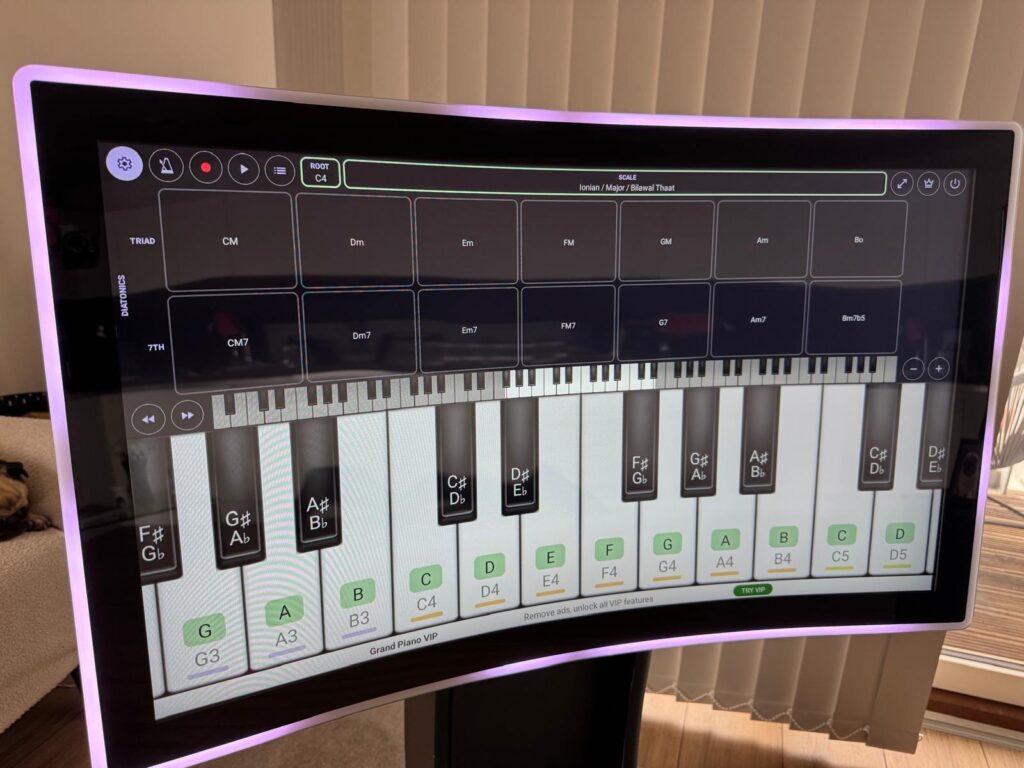
Touchscreens are reshaping the way we learn, making education more interactive, enjoyable, and meaningful for learners of all ages. From nurseries and schools to specialist environments, these devices open up new opportunities to explore, create, and connect in ways that traditional teaching methods often cannot match.
With easy-to-use designs and carefully tailored applications, touchscreen solutions empower teachers, carers, and learners alike. They turn education into an experience that is both engaging and impactful.
Table of Contents
- Ways Touchscreens Make Learning Fun and Impactful
- How Do Touchscreens Improve Student Engagement?
- Do Touchscreens Help Teachers Deliver Lessons More Efficiently?
- Why Choose Touchscreen Company for Schools and Nurseries?
- FAQs
- Conclusion.
10 Ways Touchscreens Make Learning Fun and Impactful
Touchscreens have turned classrooms into dynamic learning spaces where students do not just take in information, they actively take part in it. By blending technology with creativity, they make lessons more memorable, inclusive, and fun. Here are ten ways they add both enjoyment and real value to education.
1. Interactive Lessons That Bring Subjects to Life
Instead of relying solely on textbooks, students can use touchscreens to carry out virtual experiments, move digital objects, or explore simulations. This hands-on approach helps ideas stick and keeps learners involved.
2. Gamified Learning That Motivates Students
Learning does not have to feel like hard work. Touchscreen apps and games turn tricky subjects into challenges that feel more like play, whether it is a spelling race, a maths puzzle, or a history quiz. Gamification motivates students to learn without even realising it.
3. Encouraging Teamwork and Collaboration
Large touchscreen tables or boards allow groups of students to work together at the same time. From problem-solving challenges to group brainstorming, these shared activities help pupils develop vital teamwork and communication skills.
4. Visual Learning Made Simple
Complex topics often make more sense when shown visually. With animations, videos, and 3D models, touchscreens make abstract ideas easier to understand, particularly for students who learn best by seeing rather than just listening.
5. Personalised Learning at Every Pace
No two learners are the same. Touchscreens allow students to revisit lessons, move through activities at their own speed, or explore extra resources. This flexibility makes learning more comfortable for both quick and steady learners.
6. Supporting Students with Special Educational Needs
Accessibility tools like magnifiers, voice commands, and text-to-speech functions make touchscreens especially useful for students with SEND (Special Educational Needs and Disabilities). These features create a more inclusive environment where every learner can thrive.
7. Instant Feedback to Encourage Progress
Many apps provide immediate feedback, letting students see straight away where they have gone right or wrong. This helps build confidence, corrects mistakes early, and keeps learners motivated by showing real progress.
8. Unlocking Creativity and Imagination
Whether it is digital drawing, storytelling apps, or music composition tools, touchscreens open the door to creativity. Students can design, write, and create in ways that go far beyond traditional pen and paper learning.
9. Real-World Simulations for Practical Learning
Touchscreens allow pupils to explore experiences that would otherwise be out of reach, such as travelling through the solar system, dissecting a virtual frog, or navigating geography maps. These safe, risk-free simulations make learning practical and exciting.
10. Seamless Blended Learning with Technology
Touchscreens work well alongside other digital tools such as online platforms and cloud resources, supporting blended learning. This mix of traditional teaching with modern technology creates a flexible, future-ready classroom.
How Do Touchscreens Improve Student Engagement?
Touchscreens turn passive learning into active participation. Instead of simply listening, students get to interact directly with lessons through activities, games, and simulations. This variety appeals to all types of learners, visual, auditory, and kinaesthetic, making lessons more inclusive and enjoyable.
Activities like digital storytelling, interactive maps, or science simulations spark curiosity and keep learners focused for longer. The sense of involvement and collaboration also builds confidence, strengthens teamwork, and makes learning more rewarding
Do Touchscreens Help Teachers Deliver Lessons More Efficiently?
For teachers, touchscreens are like an all-in-one toolkit. They provide instant access to videos, apps, and online resources, reducing the need for printed handouts or multiple devices. Lessons can be adapted on the spot, with teachers annotating content or adjusting activities to match students’ learning speeds.
Touchscreens also make it easier to run group activities and whole-class discussions, ensuring everyone feels included. With less time spent setting up, teachers can focus more on what matters most, helping students learn.
Why Choose Touchscreen Company for Schools and Nurseries?
Touchscreen Company makes it simple for schools and nurseries to adopt interactive learning technology with full support from start to finish. As a trusted UK supplier, they provide professional delivery, installation, and setup so devices are classroom-ready from day one.
Their UK-based support team is always on hand to help staff with training, troubleshooting, and tailored software setups. This ensures teachers and carers feel confident using the technology to deliver lessons, support early development, and create learning experiences that truly engage every child.
FAQs
- How do touchscreens make learning more engaging for students?
By turning lessons into interactive experiences. Students can tap, drag, and explore content themselves, making learning far more engaging than passively listening. - Can touchscreen learning tools be used effectively across all ages?
Yes. Touchscreens can be tailored to suit everyone, from nursery-aged children using play-based apps to older pupils tackling more advanced subjects. - What subjects benefit most from touchscreen learning?
Almost every subject. Maths becomes more visual, science more experimental, and reading more immersive with animations and audio support. - Do touchscreens help children with special educational needs (SEN)?
Definitely. Features such as larger icons, voice commands, and interactive prompts make lessons more accessible, allowing children to learn at their own pace. - How do touchscreen solutions prepare students for the future?
By introducing digital tools early on, touchscreens build confidence with technology while strengthening skills such as creativity, problem-solving, and collaboration. These are essential for future education and careers.
Conclusion
Touchscreens bring learning to life in a way that is both enjoyable and effective. They encourage collaboration, inspire creativity, and make complex subjects easier to grasp. By combining fun with meaningful outcomes, they help students not only enjoy their lessons but also achieve more from them.