
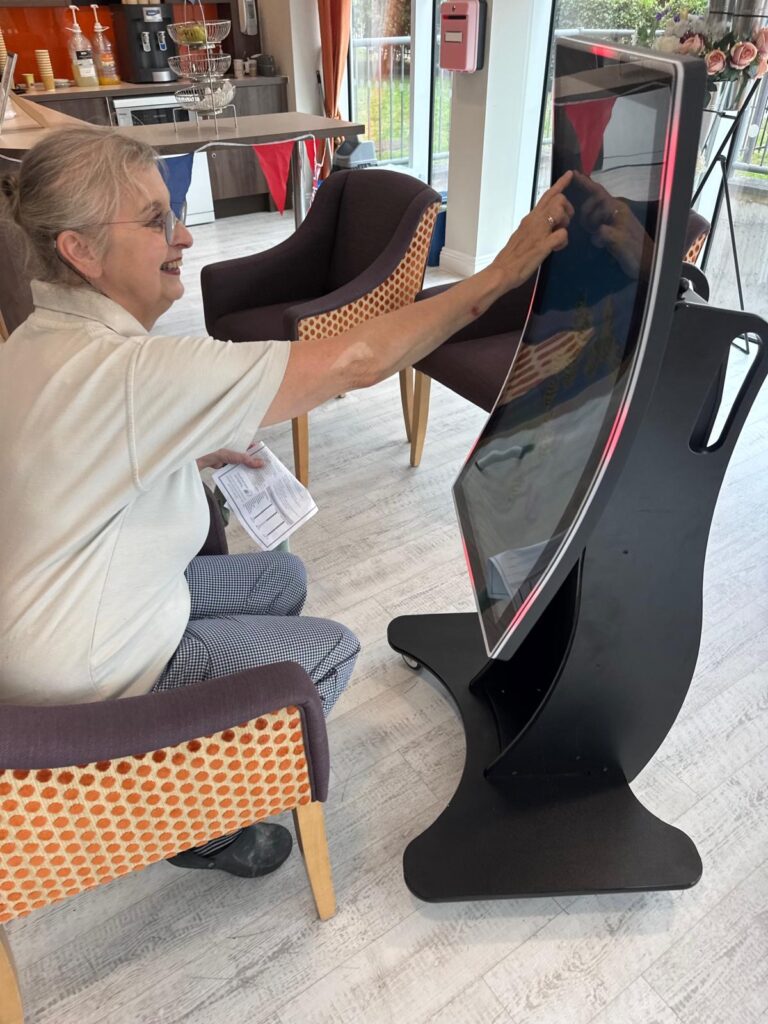
Touchscreen technology is increasingly becoming an essential part of dementia care in care homes, offering residents innovative ways to engage their minds and connect with others. Through specially designed apps and interactive activities, these devices encourage memory recall, reduce feelings of isolation, and promote a sense of independence.
Touchscreen Company provides intuitive touchscreen solutions tailored for care environments. With easy-to-use devices and dedicated support, their technology helps care homes enrich the daily lives of residents living with dementia, making care more compassionate and effective.
Table of Content
- Why Choose Touchscreen Technology for Dementia Care?
- 5 Ways Touchscreens Help People with Dementia in Care Homes
- How do touchscreens help dementia communication?
- How Does Touchscreen Company Support Care Homes?
- FAQs
- Conclusion
Why Choose Touchscreen Technology for Dementia Care?
Touchscreen technology offers an intuitive and accessible way for people with dementia to interact with digital devices. Its simple, direct interface reduces confusion and frustration, helping to improve communication and engagement.
Touchscreens can support cognitive stimulation through interactive activities, enhance memory recall with personalized content, and promote independence by enabling easy access to essential information and entertainment.
Additionally, the visual and tactile nature of touchscreens makes them ideal for individuals with limited mobility or speech difficulties, improving overall quality of life and wellbeing in dementia care settings.
5 Ways Touchscreens Help People with Dementia in Care Homes
Touchscreen technology has become an increasingly valuable tool in care homes, especially for residents living with dementia. These interactive devices can enhance communication, stimulate cognitive function, and provide comfort in a simple, user-friendly way. Here are five ways touchscreens help people with dementia in care homes:
- Improved Communication
Touchscreens offer an intuitive platform for residents to express themselves through pictures, music, or simple apps, making it easier to communicate when words are difficult.
- Cognitive Stimulation
Engaging with touchscreen games and activities helps keep the mind active, supporting memory and problem-solving skills in a gentle and enjoyable manner.
- Emotional Comfort
Access to familiar photos, videos, or music on a touchscreen can provide reassurance and reduce feelings of anxiety or confusion.
- Encouraging Social Interaction
Touchscreen devices can be used in group activities, helping residents connect with each other and their carers in a shared, interactive environment.
- Personalised Care and Routine Support
Care staff can use touchscreens to tailor activities and reminders to individual needs, helping residents maintain a sense of routine and independence.
How do touchscreens help dementia communication?
Touchscreens help dementia communication by providing a simple, intuitive way for individuals to express themselves and interact with others. The clear visuals and easy-to-use interface reduce confusion and frustration, allowing users to engage more comfortably. Touchscreens can display personalised images, messages, or prompts that support memory and understanding, making communication clearer and more meaningful.
Additionally, they encourage social interaction by enabling activities like video calls or games, which can improve mood and connection for people living with dementia.
How Does Touchscreen Company Support Care Homes?
Touchscreen Company supports care homes by providing comprehensive installation and ongoing support to make integrating touchscreen technology simple and hassle-free. As a trusted UK supplier, they ensure professional delivery and setup, so your touchscreen solution is fully operational from day one.
Their UK-based customer service team offers clear guidance, promptly answers any queries, and provides continuous assistance as needed. From staff training to configuring software tailored for care home needs, Touchscreen Company helps care homes confidently embrace new technology to enhance the wellbeing and engagement of their residents.
FAQs
- How do touchscreens benefit dementia patients in care homes?
Touchscreens provide an intuitive, easy-to-use interface that helps dementia patients engage with technology without confusion. They support cognitive stimulation, improve communication, and can be customised with apps designed specifically for memory care and therapeutic activities. - Are touchscreen devices safe for elderly residents with dementia?
Yes, touchscreen devices used in care homes are designed to be safe and durable. They often have robust, shatterproof screens and simple navigation to minimise frustration. Staff also receive training to assist residents in using the devices safely. - What types of activities can touchscreens support for dementia care?
Touchscreens can support a variety of activities such as memory games, music therapy, video calls with family, photo albums, and calming visual or auditory stimuli. These activities help reduce anxiety, promote social interaction, and enhance overall wellbeing. - How easy is it for care home staff to integrate touchscreen technology into daily dementia care?
Touchscreen technology is user-friendly and can be easily integrated with minimal training. Many care homes report that once staff are familiar with the devices, they can seamlessly incorporate them into therapeutic sessions, recreational activities, and communication support. - Why should care homes choose specialised touchscreen solutions for dementia care?
Specialised touchscreen solutions are tailored to meet the specific needs of dementia patients, including simplified interfaces, personalised content, and accessibility features. Choosing these ensures maximum benefit, enhancing engagement and improving quality of life for residents.
Conclusion
In conclusion, touchscreen technology offers significant benefits for dementia care in care homes, enhancing communication, engagement, and overall wellbeing.
By providing intuitive and accessible tools, touchscreens support both residents and staff in creating a more compassionate and stimulating environment. Embracing this technology is a valuable step towards improving the quality of life for those living with dementia.